

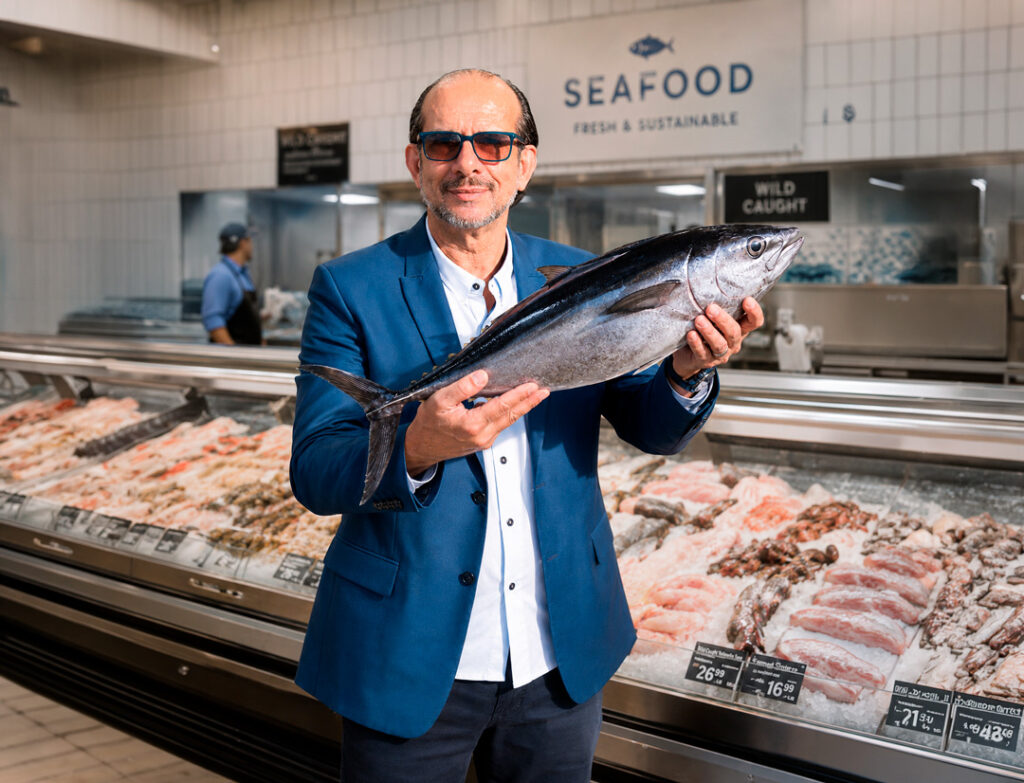
In the American seafood market, buyers are constantly looking for products that combine quality, consistency, versatility, and commercial appeal. For supermarkets, importers, distributors, restaurants, and foodservice operators, seafood is more than a category — it is a high-value opportunity to attract customers, diversify offerings, and strengthen margins.
As the U.S. continues to rely heavily on imported seafood to meet consumer demand, Brazil has become an increasingly relevant source for buyers seeking reliable products with strong market potential. With an extensive coastline, abundant marine resources, and a growing export-oriented seafood industry, Brazil offers species that can perform well across retail, wholesale, and foodservice channels.
Among the products with strong commercial appeal are Red Snapper, Tuna, and Golden Corvina — three species that bring different advantages to the American market while sharing one important trait: they offer real value for buyers who need quality seafood with broad customer acceptance.
Why Brazilian Seafood Matters for U.S. Buyers
For American importers and seafood buyers, sourcing decisions are not based only on price. The most competitive products are those that can support repeat purchases, adapt to different sales channels, and meet the expectations of today’s consumers.
Brazilian seafood offers a compelling combination of natural origin, attractive presentation, and culinary versatility. For retailers, this means products that can stand out at the seafood counter or in frozen displays. For distributors, it means inventory with demand across different types of clients. For restaurants and foodservice operators, it means menu flexibility and the ability to offer seafood with a premium perception.
In a market where consumers are increasingly attentive to freshness, origin, and quality, Brazilian seafood gives buyers a strong story to tell — one connected to the Atlantic coast, tropical waters, and a country recognized globally for its natural resources.
Red Snapper: A Premium Choice With Strong Retail and Foodservice Appeal
Red Snapper is one of the most recognized and valued fish species in the seafood category. Its bright appearance, firm texture, and mild, clean flavor make it attractive to both consumers and professional kitchens.
For supermarkets and specialty seafood retailers, Red Snapper has strong visual impact. Whole fish presentations can create a premium display, while fillets offer convenience for customers looking for an easy-to-prepare, high-quality seafood option.
For restaurants, Red Snapper is highly versatile. It can be grilled, baked, steamed, fried, or served in refined preparations. This flexibility makes it suitable for casual dining, premium seafood restaurants, Latin-inspired menus, Caribbean-style dishes, and high-end foodservice operations.
From a commercial perspective, Red Snapper offers buyers several advantages:
- It carries a premium perception in the U.S. market.
- It works well for both fresh and frozen programs.
- It has broad culinary acceptance.
- It can help retailers and restaurants differentiate their seafood offerings.
- It appeals to customers looking for quality, flavor, and presentation.
It can help retailers and restaurants differentiate their seafood offerings.
It appeals to customers looking for quality, flavor, and presentation.
For importers and distributors, Brazilian Red Snapper represents a product with strong positioning potential — especially for clients who want seafood that feels premium without being limited to one specific type of buyer.
Tuna: A High-Demand Seafood Category With Strong Market Familiarity
Tuna is already familiar to American consumers, which gives it an important commercial advantage. Unlike lesser-known species that require more education at the point of sale, tuna benefits from strong recognition across retail, restaurant, and foodservice environments.
For supermarkets, tuna can be positioned in multiple formats depending on the buyer’s strategy: frozen, fresh, whole loin, steak cuts, or value-added presentations. Its firm texture and rich flavor make it suitable for grilling, searing, poke bowls, sushi-style applications, salads, and premium prepared meals.
For restaurants and foodservice buyers, tuna is especially attractive because it fits current dining trends. It works well in healthy dishes, high-protein meals, seafood bowls, Asian-inspired menus, and premium entrées. This versatility allows buyers to serve different customer profiles using the same core product.
Commercially, tuna offers:
- High consumer recognition.
- Strong foodservice demand.
- Excellent versatility across cuisines.
- Potential for premium positioning.
- Broad use in both fresh and frozen seafood programs.
For importers and wholesalers, Brazilian tuna can be a valuable addition to a seafood portfolio because it connects market familiarity with supply diversification. In a competitive category, having access to a dependable tuna source can help buyers serve clients who need consistency, flexibility, and quality.
Golden Corvina: A Versatile Fish With Strong Opportunity for Differentiation
While Red Snapper and Tuna are already well recognized, Golden Corvina offers a different kind of commercial opportunity: differentiation.
Golden Corvina is a flavorful, versatile white fish that can appeal to buyers looking for products beyond the most common seafood options. In retail, it can help supermarkets expand their seafood selection with a product that feels fresh, distinctive, and accessible. In foodservice, it gives chefs and operators a fish that can adapt to multiple cooking methods and menu styles.
Its mild flavor and appealing texture make it suitable for grilling, frying, baking, stews, and family-style seafood dishes. This makes Golden Corvina especially useful for markets serving diverse consumer communities, including customers familiar with Latin American, Caribbean, and international seafood preparations.
For buyers, Golden Corvina offers several commercial benefits:
- It helps diversify seafood inventory.
- It can serve ethnic, specialty, and mainstream markets.
- It offers strong value as a white fish option.
- It gives retailers and restaurants a product with storytelling potential.
- It can create new sales opportunities in markets looking for alternatives to overused seafood categories.
Golden Corvina is especially interesting for importers and distributors because it can open conversations with buyers who want something different — a product that is not just another commodity, but a seafood item with identity, flexibility, and room for growth.
The Commercial Advantage: Products That Serve Multiple Channels
One of the strongest advantages of Red Snapper, Tuna, and Golden Corvina is that they are not limited to a single type of customer. These products can move across several channels, including:
- Supermarkets and grocery chains.
- Seafood wholesalers.
- Independent fish markets.
- Restaurants and hospitality groups.
- Foodservice distributors.
- Specialty and ethnic markets.
This multi-channel potential is important for U.S. buyers because it reduces commercial risk. A product that can serve different customers, different price points, and different culinary uses gives importers and distributors more flexibility when building their seafood programs.
For supermarkets, these species can strengthen the seafood department with products that look attractive, support premium pricing, and encourage repeat purchases. For restaurants, they offer menu variety and quality perception. For distributors, they create opportunities to serve both mainstream and specialty clients.
Why Buyers Are Looking Beyond Basic Seafood Supply
Today’s seafood buyers are not only looking for available inventory. They are looking for products that can help them compete.
- A supermarket needs seafood that attracts customers to the counter.
- A distributor needs products that clients can trust and reorder.
- A restaurant needs ingredients that deliver flavor, consistency, and presentation.
- An importer needs suppliers and partners capable of supporting commercial growth.
This is where Brazilian seafood can create value. Red Snapper, Tuna, and Golden Corvina are not just products to fill a container. They are seafood items with commercial purpose: premium appeal, menu versatility, retail strength, and market differentiation.
Global Brazil Business: Connecting Brazilian Seafood to U.S. Opportunities
Global Brazil Business operates as a bridge between Brazil’s seafood potential and the needs of American buyers. As a U.S.-based company focused on importing Brazilian products and commodities, the company understands both sides of the transaction: the value of Brazilian supply and the expectations of the American market.
For buyers, this matters. Importing seafood is not only about finding a product — it is about building a reliable commercial path. Quality, documentation, logistics, communication, and consistency all influence whether a seafood program succeeds.
By focusing on products such as Red Snapper, Tuna, and Golden Corvina, Global Brazil Business offers American importers, distributors, retailers, and foodservice buyers access to seafood with strong market potential and a clear commercial proposition.
A Strong Opportunity for the U.S. Seafood Market
Brazilian seafood brings together qualities that are highly relevant to the U.S. market: natural origin, attractive species, culinary versatility, and strong commercial value.
- Red Snapper offers premium appeal.
- Tuna delivers recognition and high-demand versatility.
- Golden Corvina creates differentiation and new opportunities.
For American buyers, these products represent more than seafood imports. They represent a chance to strengthen inventory, expand customer options, improve category performance, and offer products with a compelling origin story.
In a competitive seafood market, the right product can do more than meet demand — it can create demand. Brazilian Red Snapper, Tuna, and Golden Corvina are well positioned to do exactly that.